
Nogopterium gracile (Hedwig) Crosby & W.R. Buck
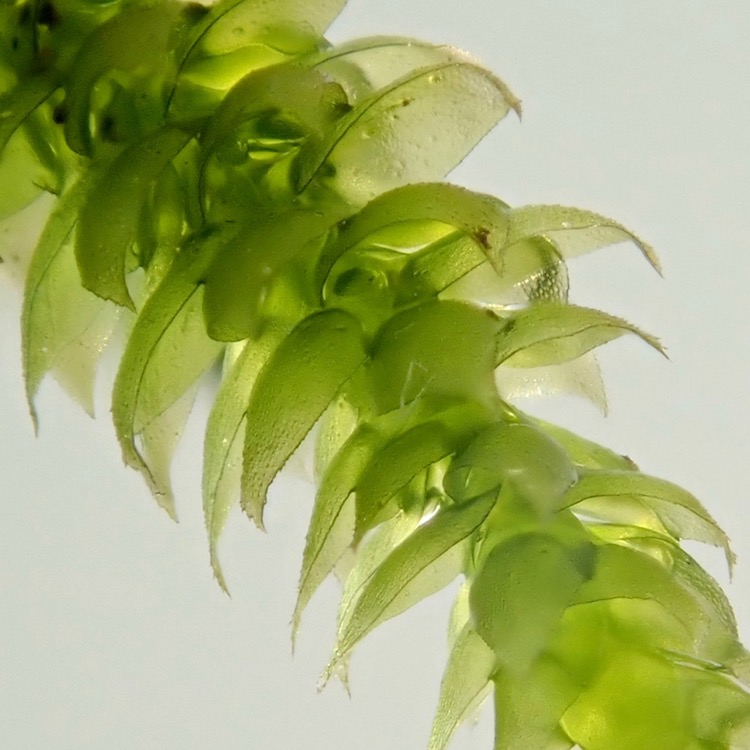
Nogopterium gracile is a medium-sized (1.5 – 8 cm) bright green pleurocarpous moss, forming dense mats, often covering large expanses of boulders, typically in some shade. Its many pinnate branches are closely spaced, dangling in the same direction, and tapering at the tips. Leaves are held stiffly from the stem when moist, and overlap tightly when dry. Leaves are toothed near the tip and have bumpy projections called prorae on the the back.
Scroll down for more photos (click to enlarge) and descriptions of habitat, plants, leaves, distribution map, name origin, and similar species.
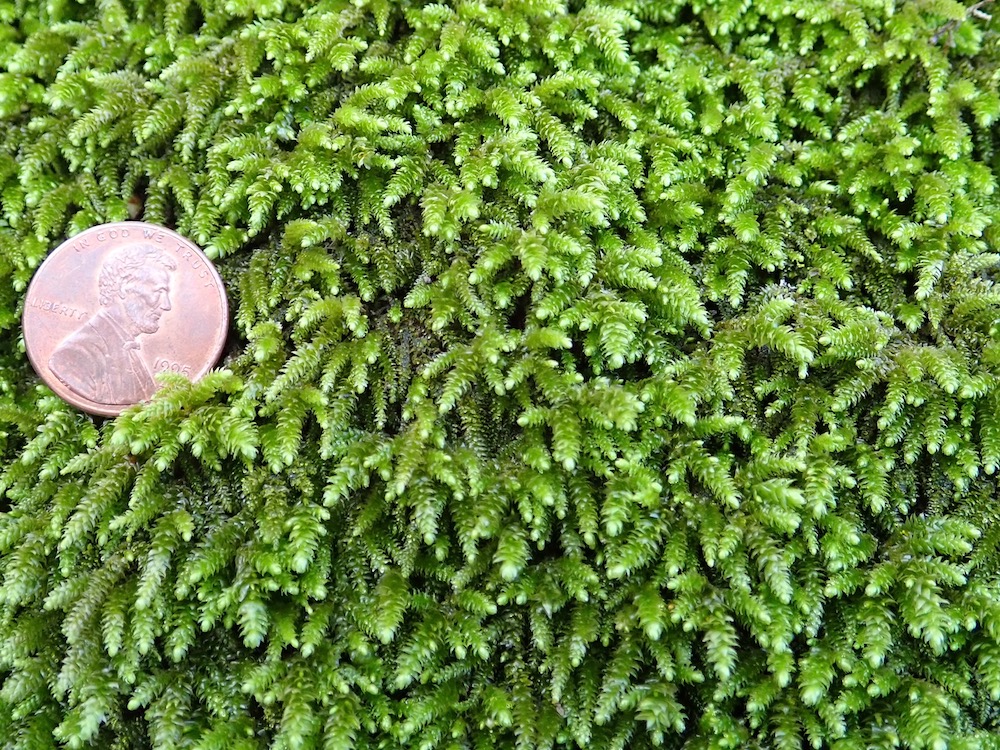
Habitat: Nogopterium gracile grows primarily on rocks and boulders, occasionally on hardwood trunks, typically in some shade.


Habit: Nogopterium gracile forms dense mats, often extensive, sometimes covering entire small boulders. Its pinnate branches taper at the tips and dangle downward. Leaves are held stiffly from the stem when moist, giving the appearance of electrified cat tails. When dry, leaves overlap tightly, resulting in a rope-like appearance, and plants curl slightly like bird feet.
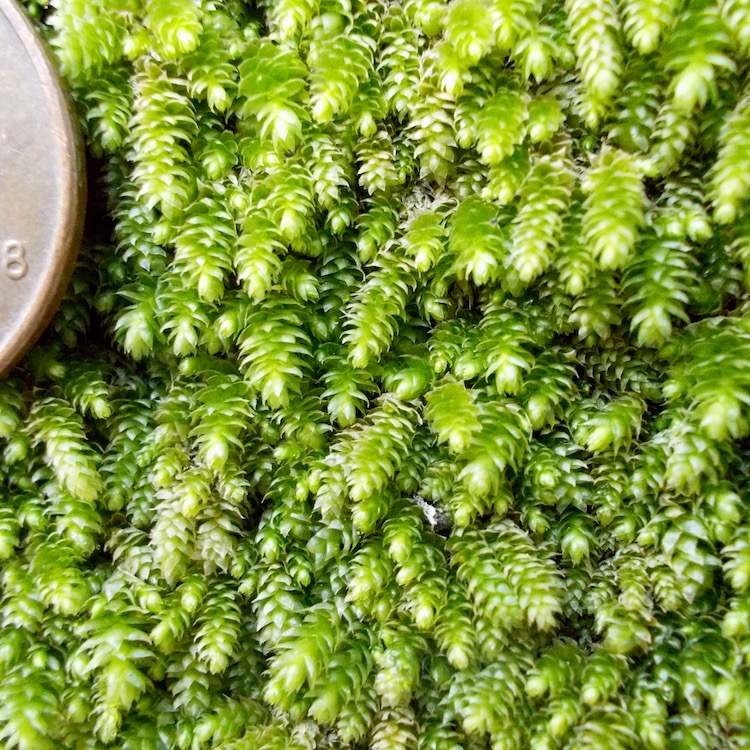
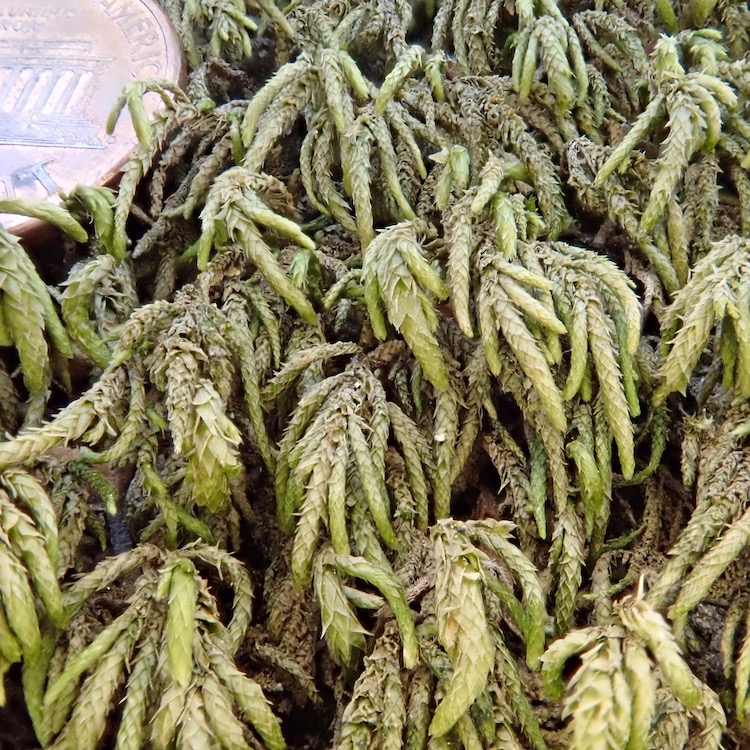
Plants: Nogopterium gracile plants are 1.5-8 cm long, with irregularly sized pinnate branches closely spaced along the stem. Branches taper toward the tips, more easily seen when plants are dry. Leaves are held away from the stem very purposefully when moist, and are tightly appressed to the stem when dry. Plants curl when dry, resembling bird feet.

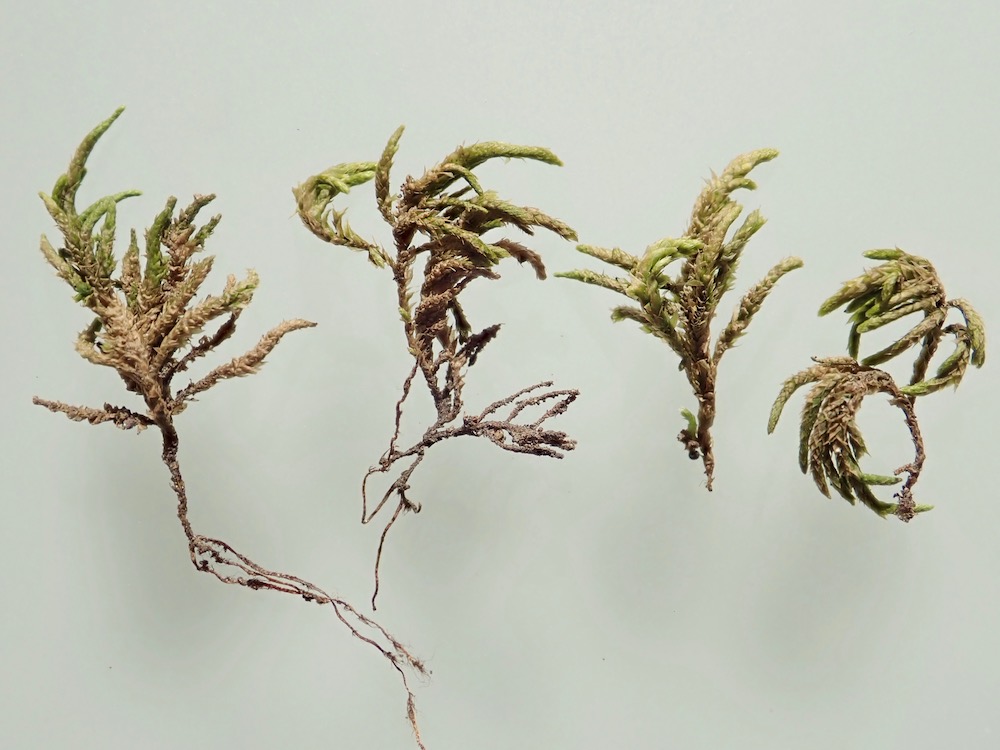
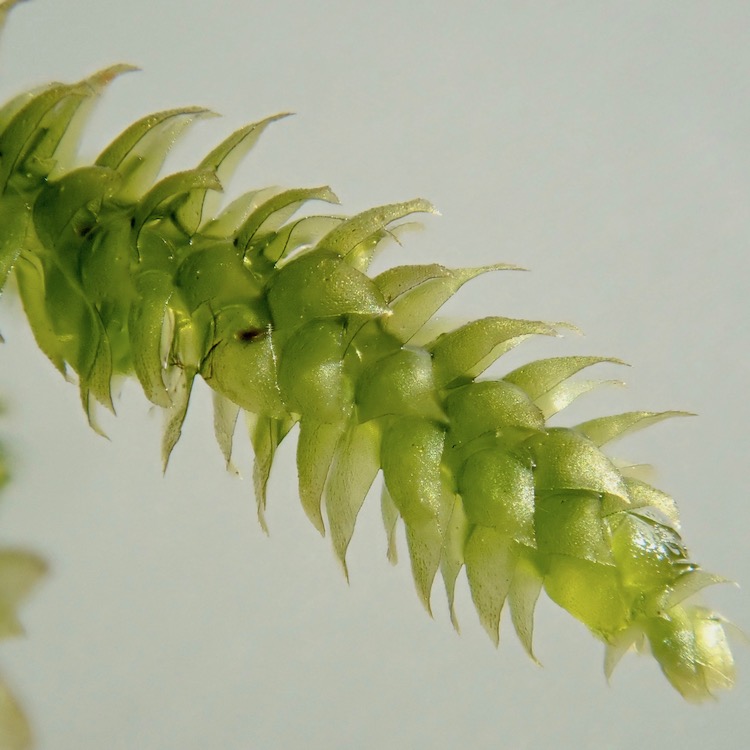
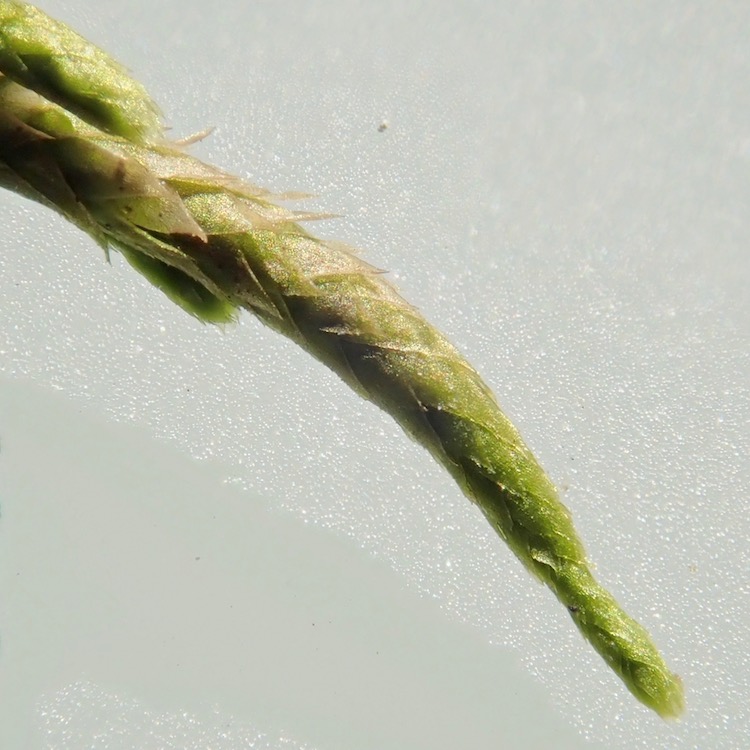
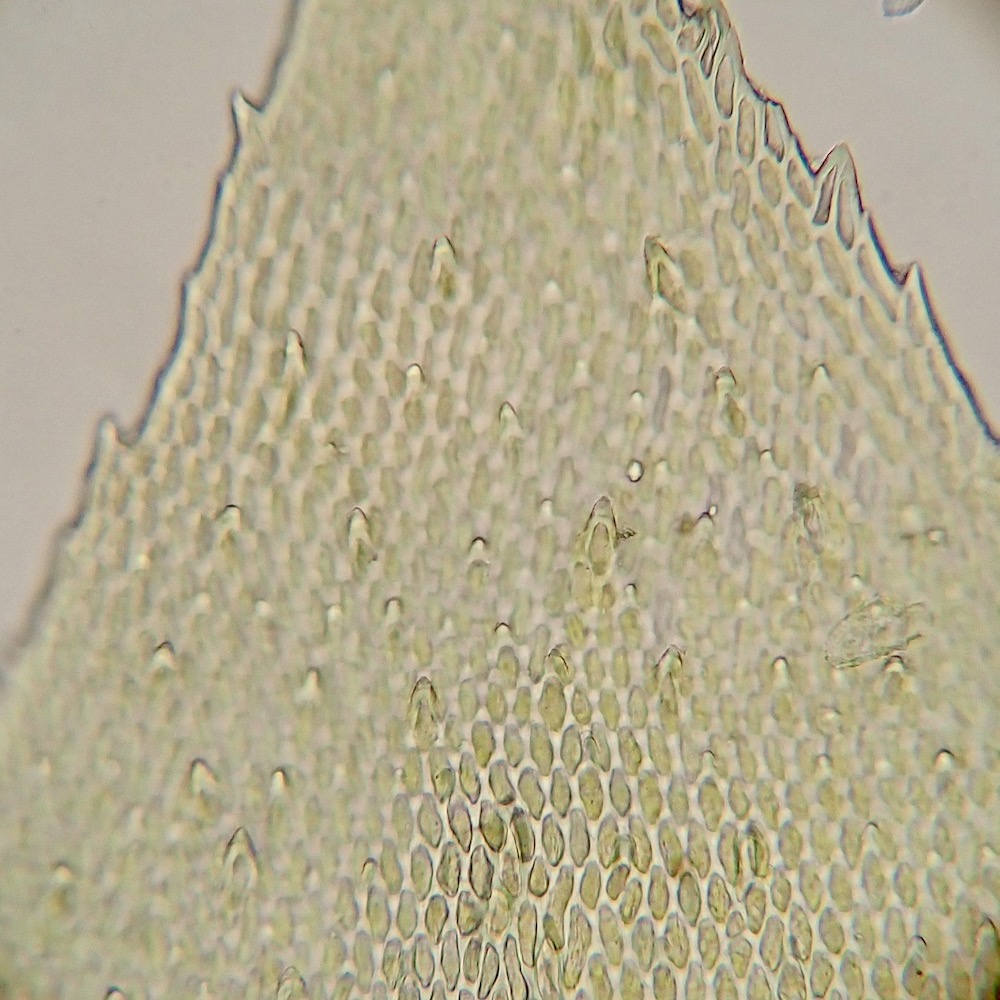
Leaves: Nogopterium gracile leaves are ovate, 0.5-1.5 mm long, and strongly toothed near the apex. The costa is irregular, often short and double. Some cells on the back of the leaf overlap resulting in bumps called prorae.

Sporophytes: Sporophytes on Nogopterium gracile appear to be rare in Santa Barbara County, as I have never seen them in several years of searching. For descriptions and photos of sporophytes, see the references listed at the bottom of the page.
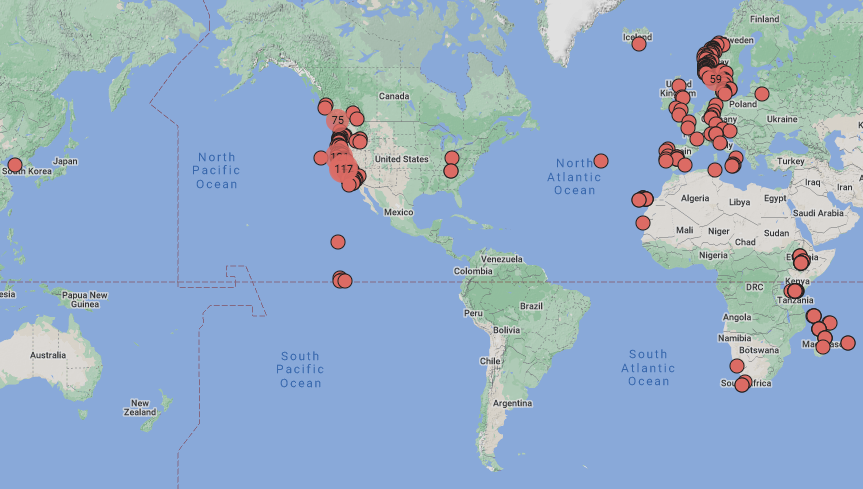
Distribution: Nogopterium gracile is common in Santa Barbara County and indeed throughout California. It is found along the west coast of North America into British Columbia, as well as in Europe and in parts of Africa, and in South Korea.
Similar Species in Santa Barbara County

Antitrichia californica has similarly tapering branches, but branches curl upward when dry, whereas those of Nogoterium gracile curl downward. Moist Antitrichia californica plants look much more disorganized than those of Nogoterium gracile, with branches pointing every which way rather than dangling in the same direction. Additionally, Antitrichia californica leaves have recurved margins, whereas those of Nogoterium gracile are plane.

Dendroalsia abietina also curls downward when dry, but tends to be significantly larger than Nogoterium gracile, and branches do not taper significantly and are more evenly pinnate.
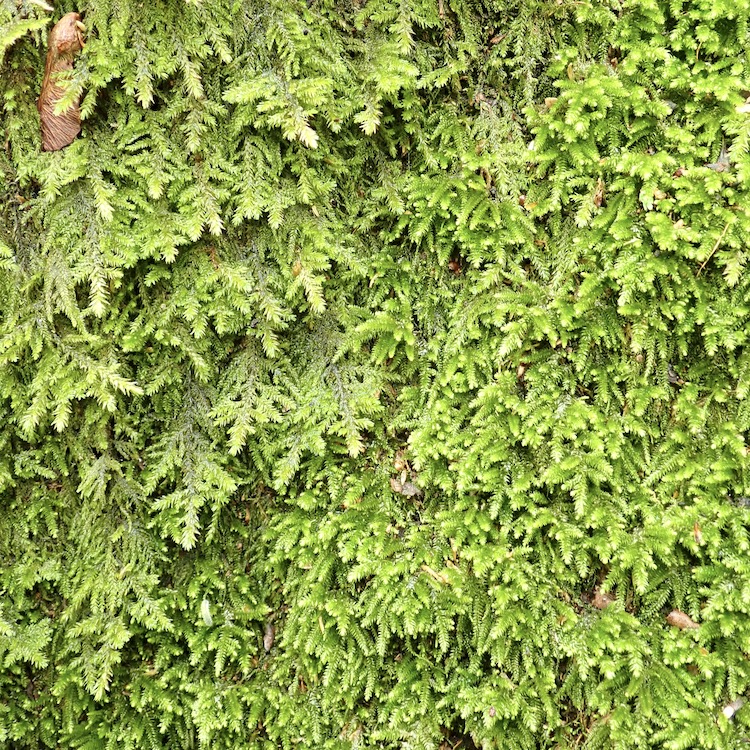
Bestia longipes has branches which do not taper significantly and are more evenly pinnate like a fern, with softer stems and more delicate leaves. Nogoterium gracile has branches which all dangle downward, taper toward the tips, with stiffer stems and leaves.

