
Timmiella crassinervis (Hampe) L. F. Koch
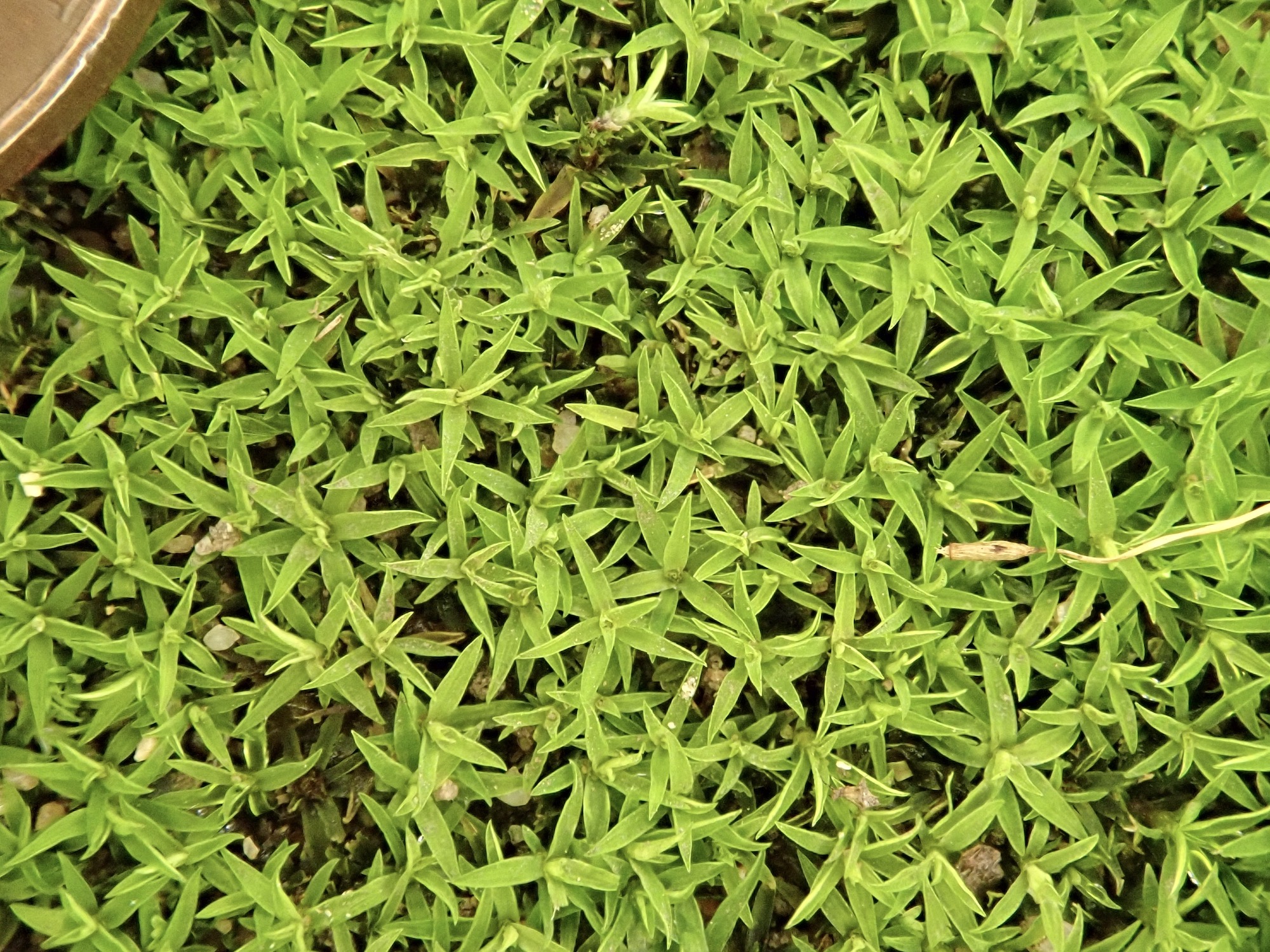
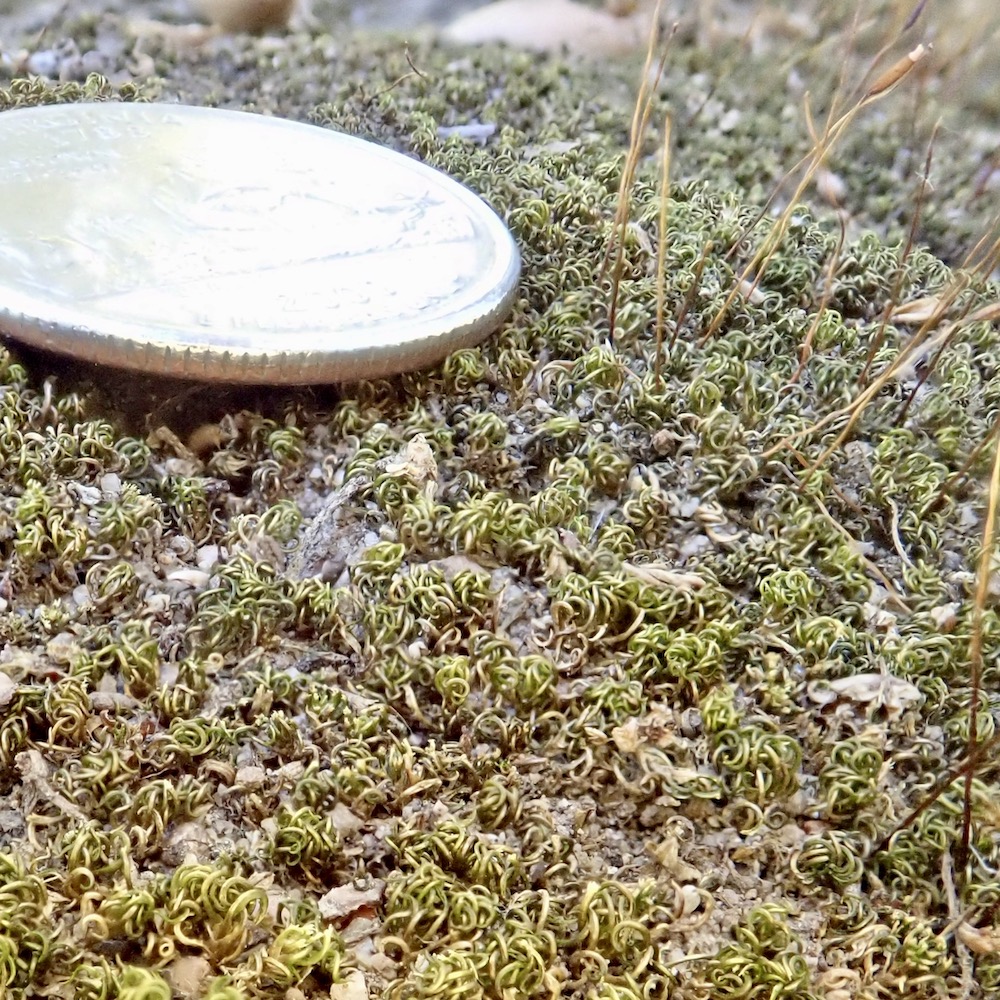
Timmiella crassinervis is a relatively large, bright green, acrocarpous moss, with long, relatively broad, lance-shaped leaves, with a matte finish. When dry, the leaf margins roll inward and the leaves curl up, giving the appearance of tiny, shiny, noodles. Plants may form tufts or carpets on soil, in some sun to shade.
Scroll down for more photos (click to enlarge) and descriptions of habitat, plants, leaves, sporophytes, distribution map, name origin, and similar species.
Habitat: Timmiella crassinervis is found on soil, commonly along trails and road cuts, but also along creeks.


Habit: Timmiella crassinervis plants may be short when more exposed (0.5 mm) to rather tall when more shaded (1.5 mm), are mostly unbranched, and form tufts or carpets.
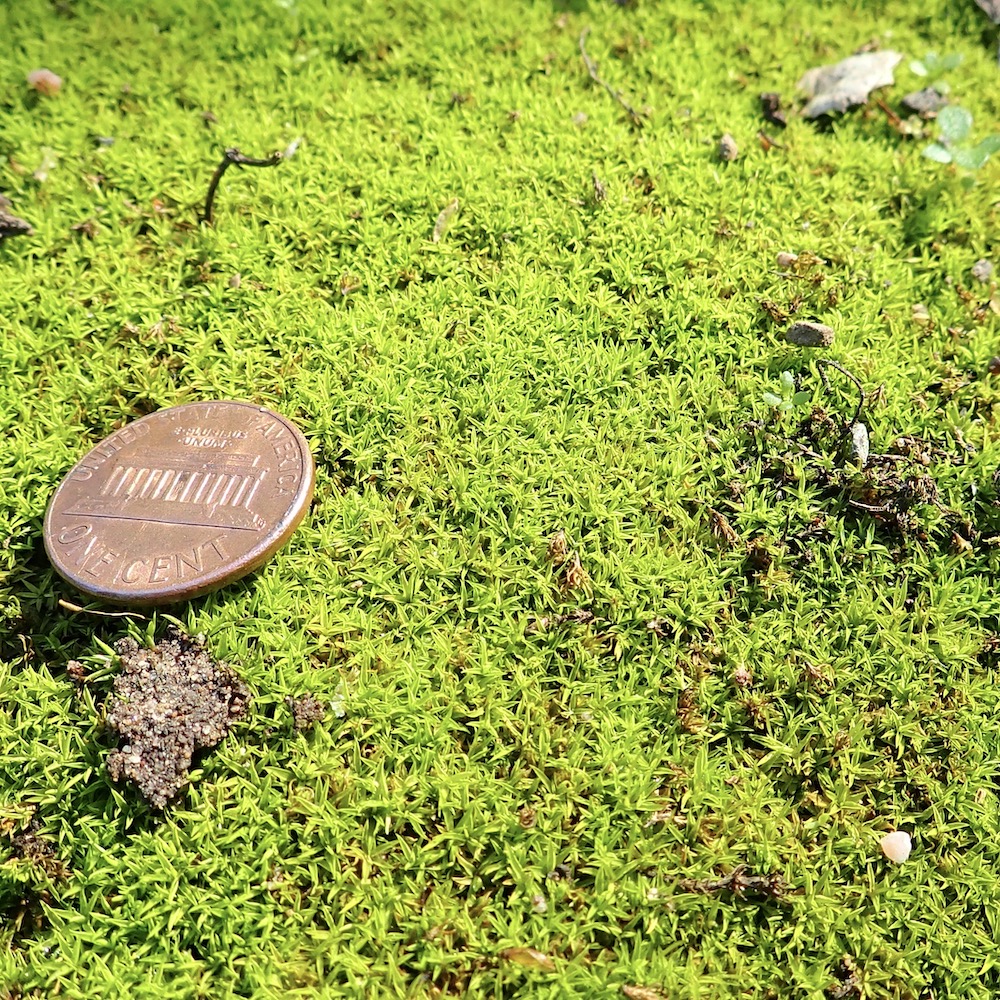

Plants: Timmiella crassinervis plants are erect and unbranched, up to 1-1.5 mm tall. The long outer leaves are outstretched when moist, often times surrounding shorter more erect central leaves, giving a somewhat floral appearance. When moist, plants are a bright, cheery green with a matte finish. When dry, the leaf margins roll in and leaves curl up, resembling shiny, curly olive-green noodles.

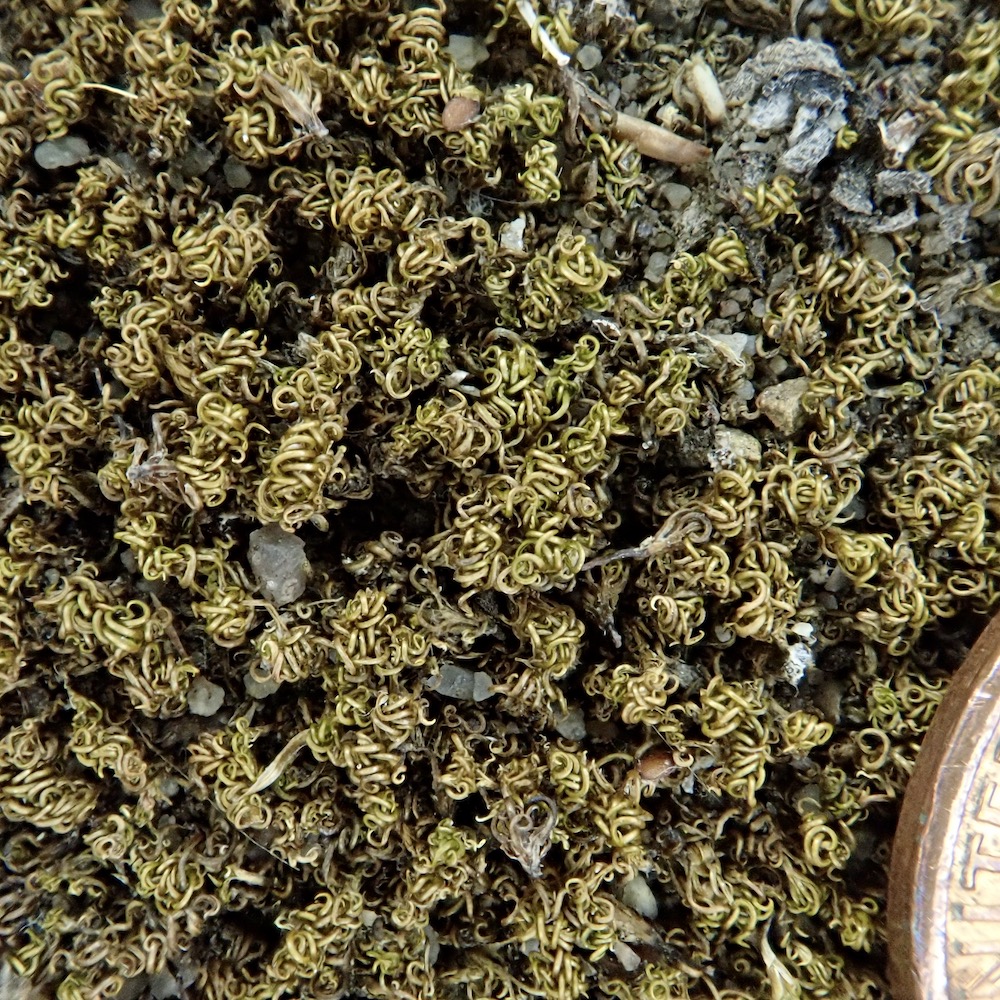


Leaves: Timmiella crassinervis leaves are quite long and broadly lanceolate, with margins serrated near the tip, a very wide costa, and a flared base. When moist they are bright green and matte, and when just beginning to dry the margins appear thickened as they begin to roll in. When dry, margins roll completely in and leaves curl up, looking like shiny noodles. Leaves are bistratose, with two layers of cells. The upper layer of cells (adaxial, facing the stem) bulge out (mammilose), contributing to the matte appearance when leaves are moist and unfurled and viewed from above. The lower layer of cells are smooth, contributing to the shiny appearance when dry and curled and the lower surface is exposed.


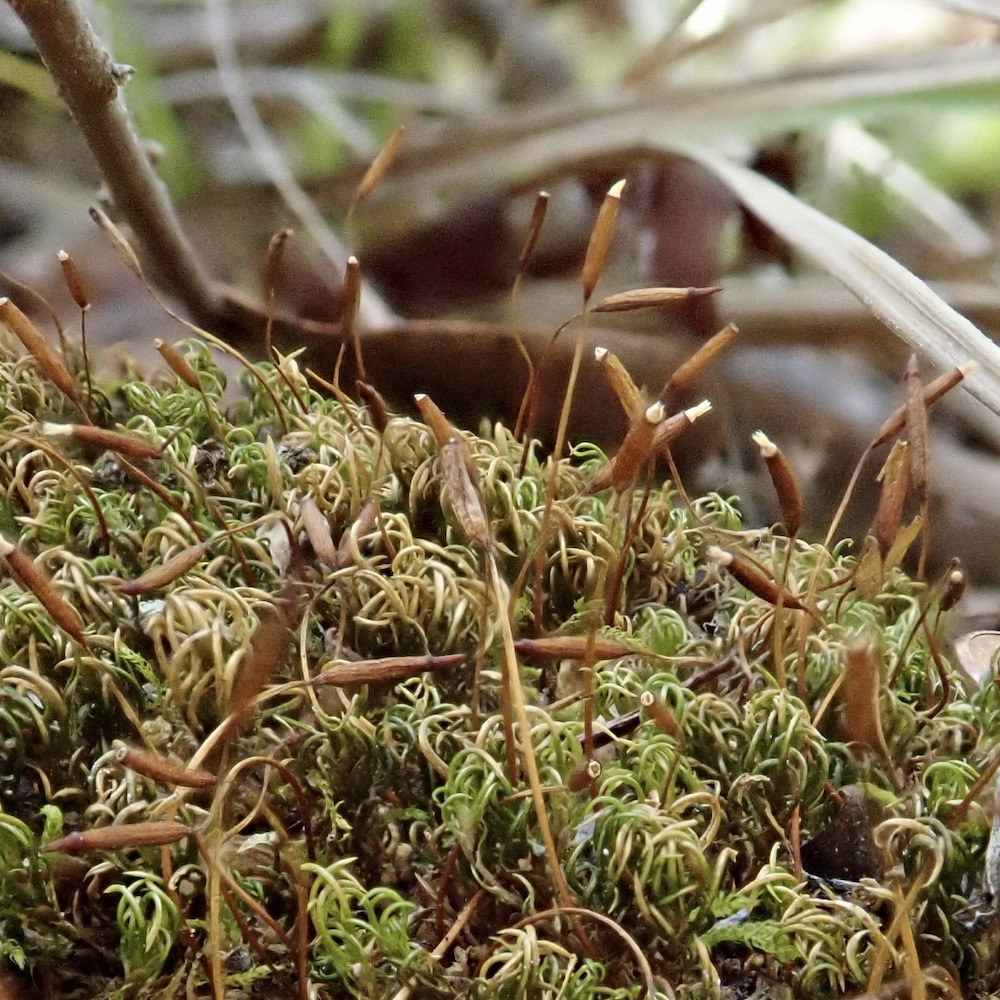
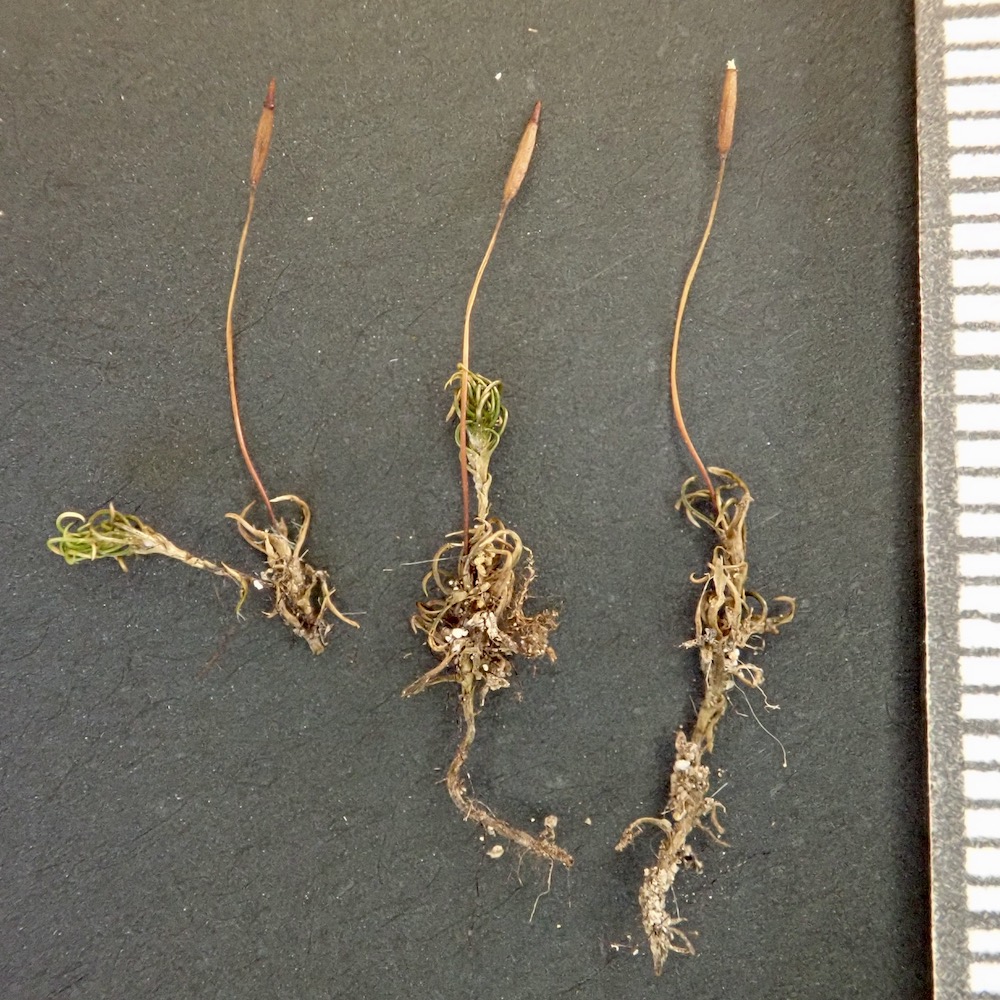
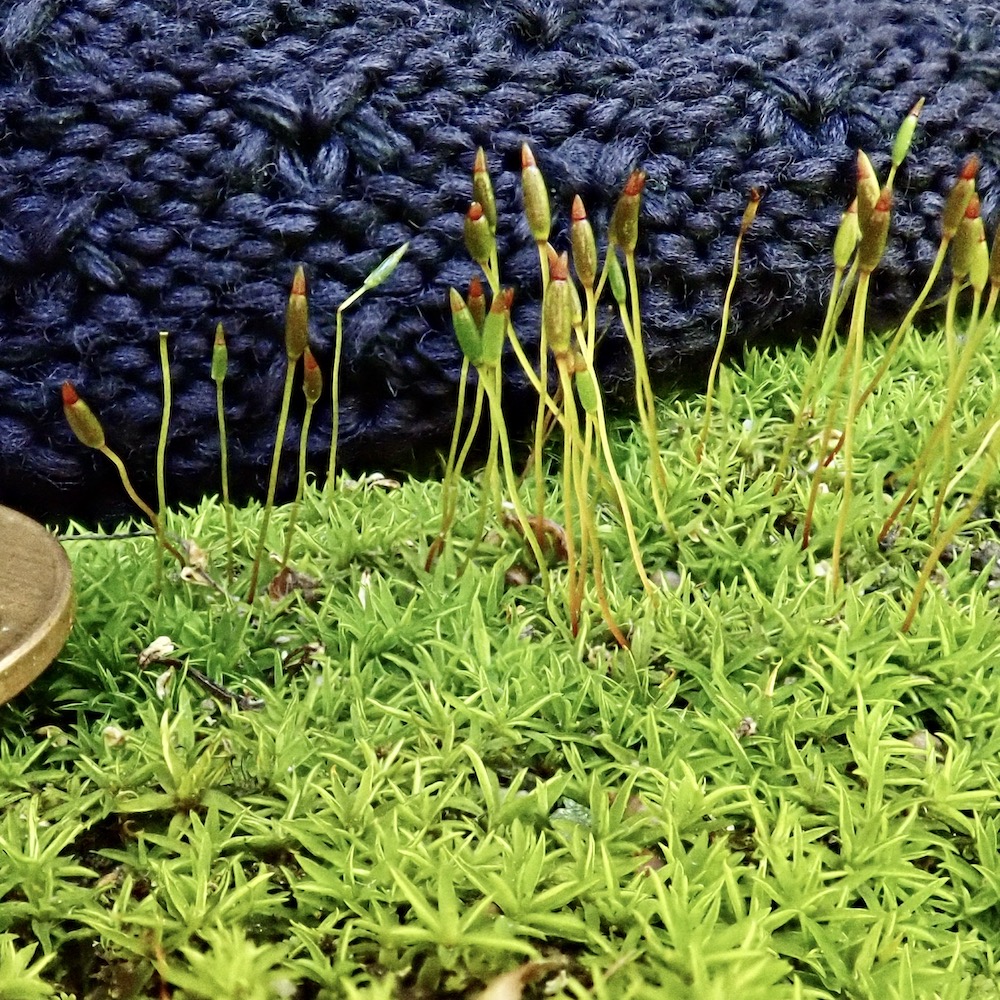
Sporophytes: Timmiella crassinervis sporophytes are tall and relatively straight, with the seta (stalk) about 1 cm long (0.8-1.2 cm), the capsule urn (theca) about 2 mm (2-2.8mm), the operculum (cap) 0.6-0.8 mm, and the peristome teeth mostly not twisted. Sporophytes are not common on plants here in Santa Barbara County, and are technically required to separate Timmiella crassinervis from Timmiella anomola. In the absence of sporophytes one must rely on the flaring of the leaf base, which may not be a reliable character.
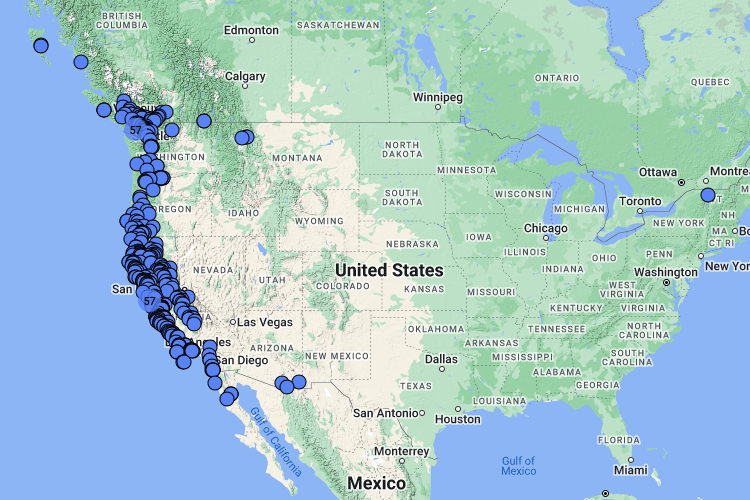
Distribution: Timmiella crassinervis is found throughout the west coast of North America.
 Bryophytes of Santa Barbara