
Scleropodium obtusifolium (Mitten) Kindberg
Scleropodium obtusifolium is a medium-large, glossy light green to yellowish pleurocarpous moss, which forms thick shaggy mats and extensive carpets on rocks and soil, in and immediately adjacent to creeks and streams. Its irregularly spaced branches are disorganized and appear quite swollen and poofy even when dry. The leaves are deeply concave and rounded at the tip, and the midrib does not end in a spine, a feature which helps to differentiate it from the closely related S. occidentale.
Scroll down for more photos (click to enlarge) and descriptions of habitat, plants, leaves, sporophytes, distribution map, name origin, and similar species.
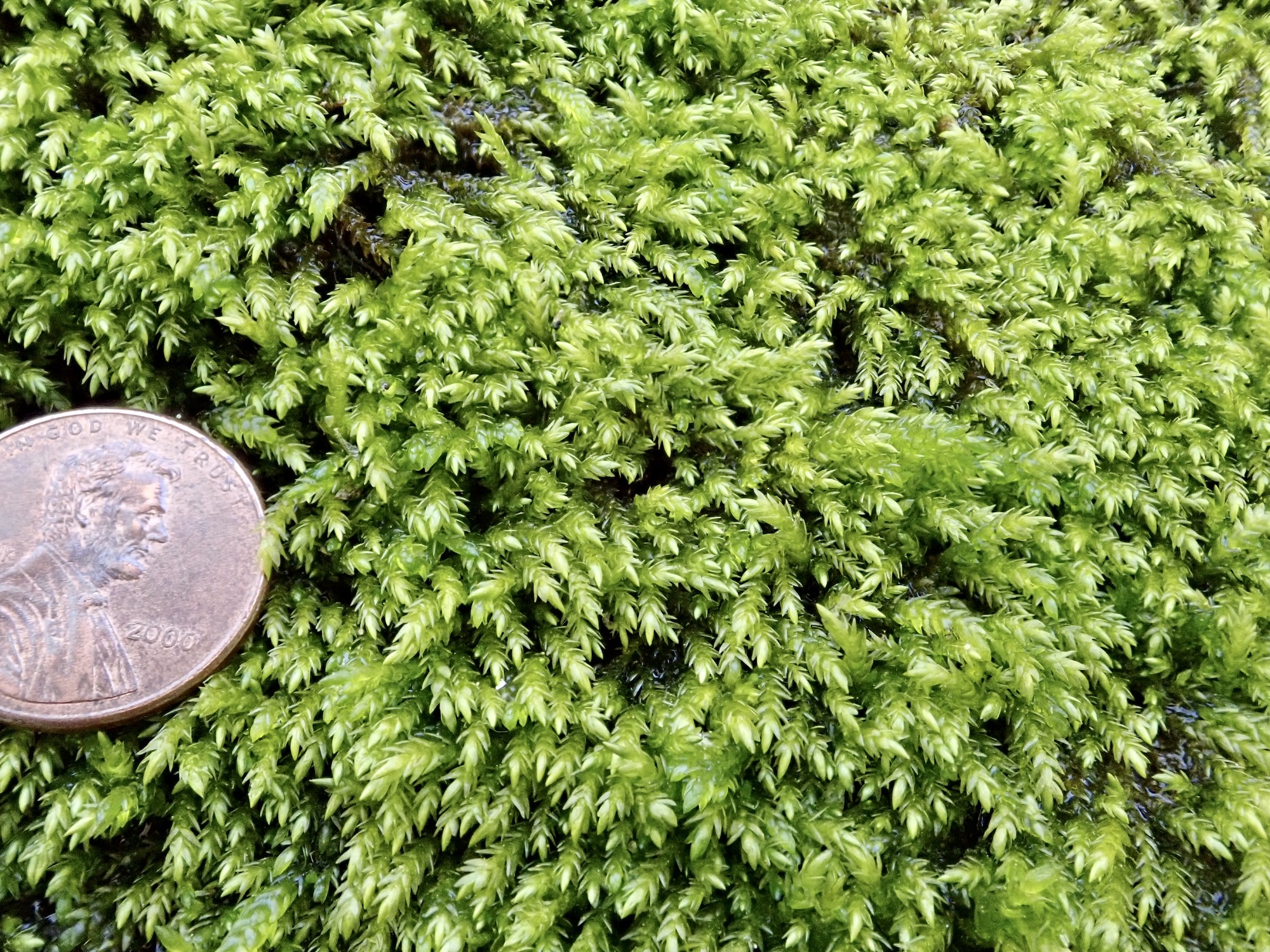
Habitat: Scleropodium obtusifolium is strictly an aquatic or semi-aquatic species, growing on rock or soil or occasionally tree roots, in or directly adjacent to creeks or seasonal streams.
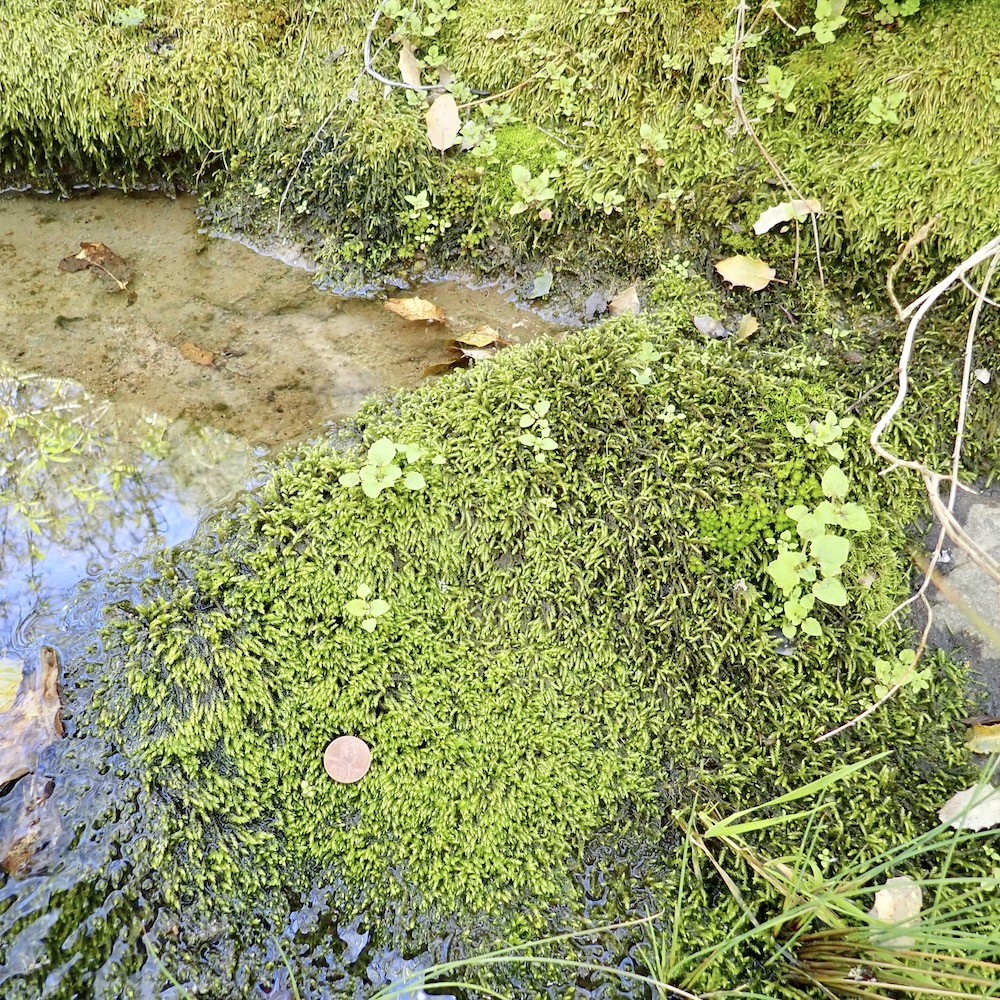
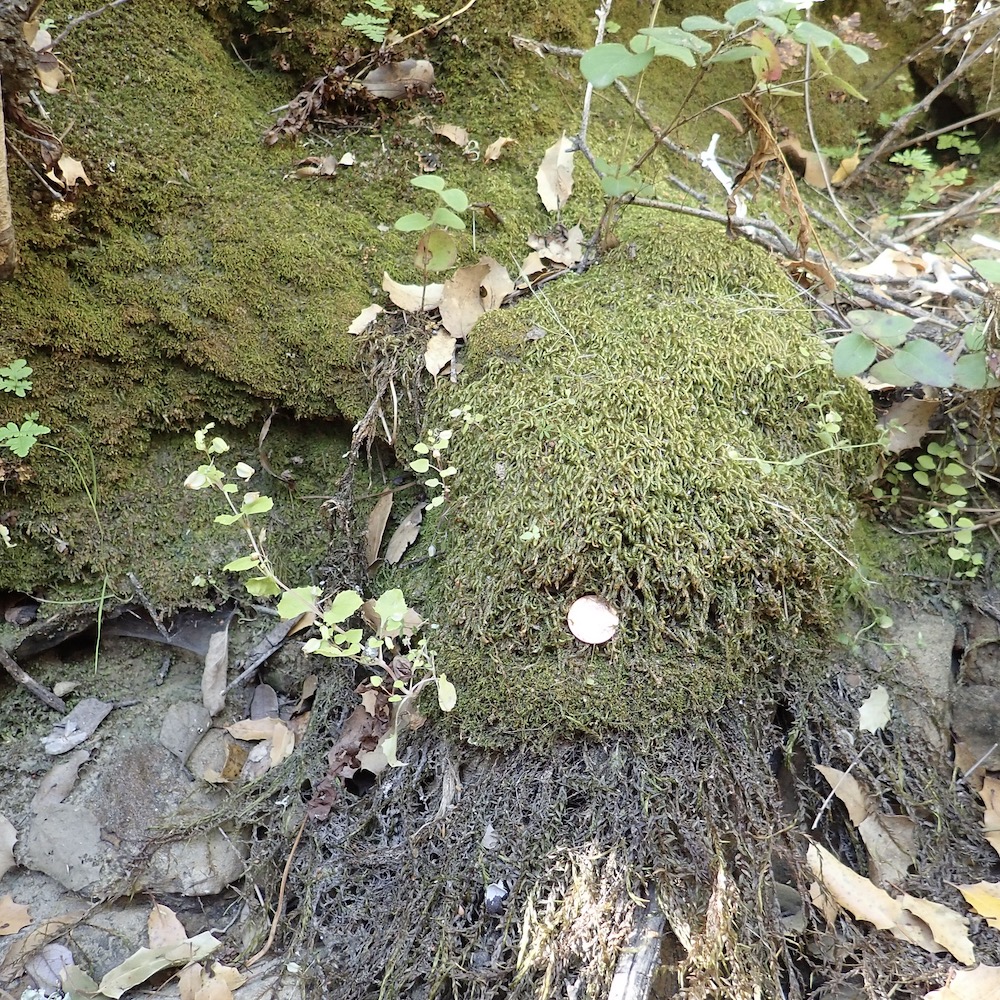
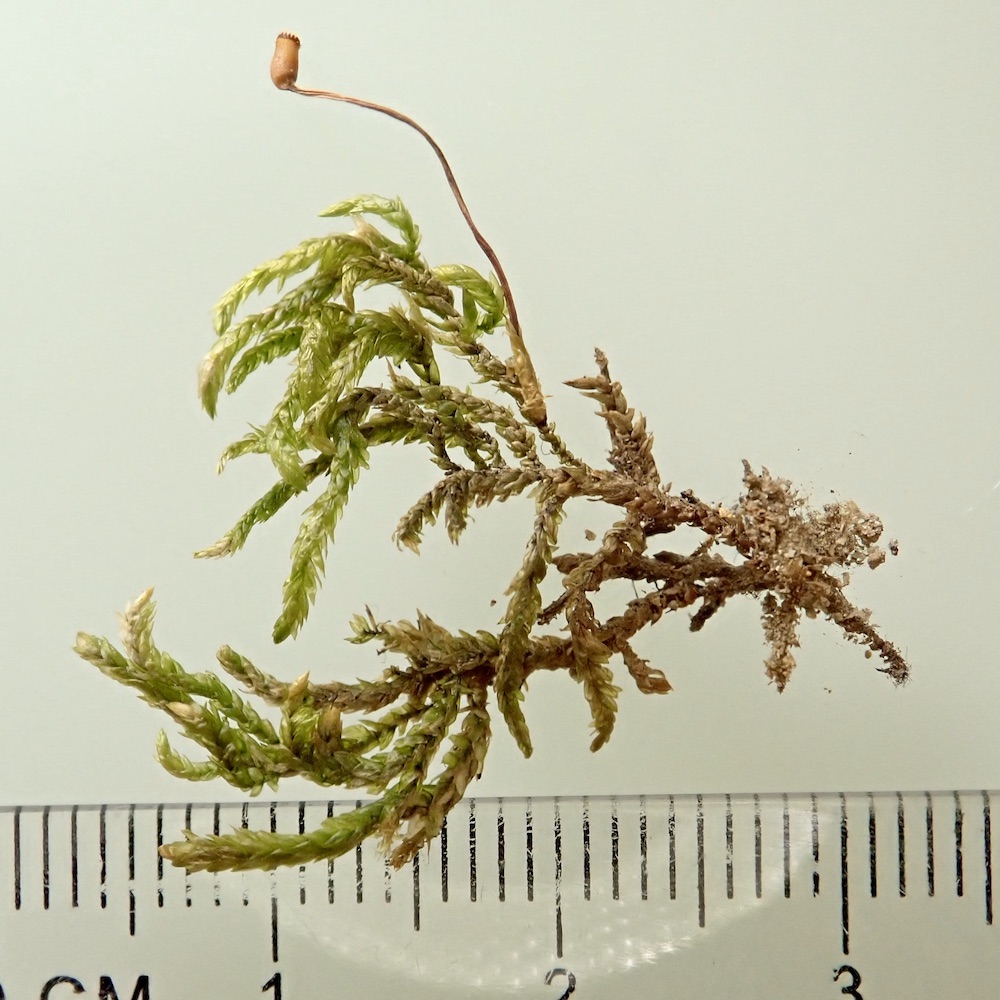
Habit: Scleropodium obtusifolium, with its plentiful but irregularly spaced and sized branches, forms messy, shaggy mats or carpets. Its tightly spaced concave leaves spread from the stem when moist, accentuating the furry look. When dry, the leaves are held more tightly to the stem but retain their concave shape, resulting in a poofy (tumid) wormlike (julaceous) appearance.
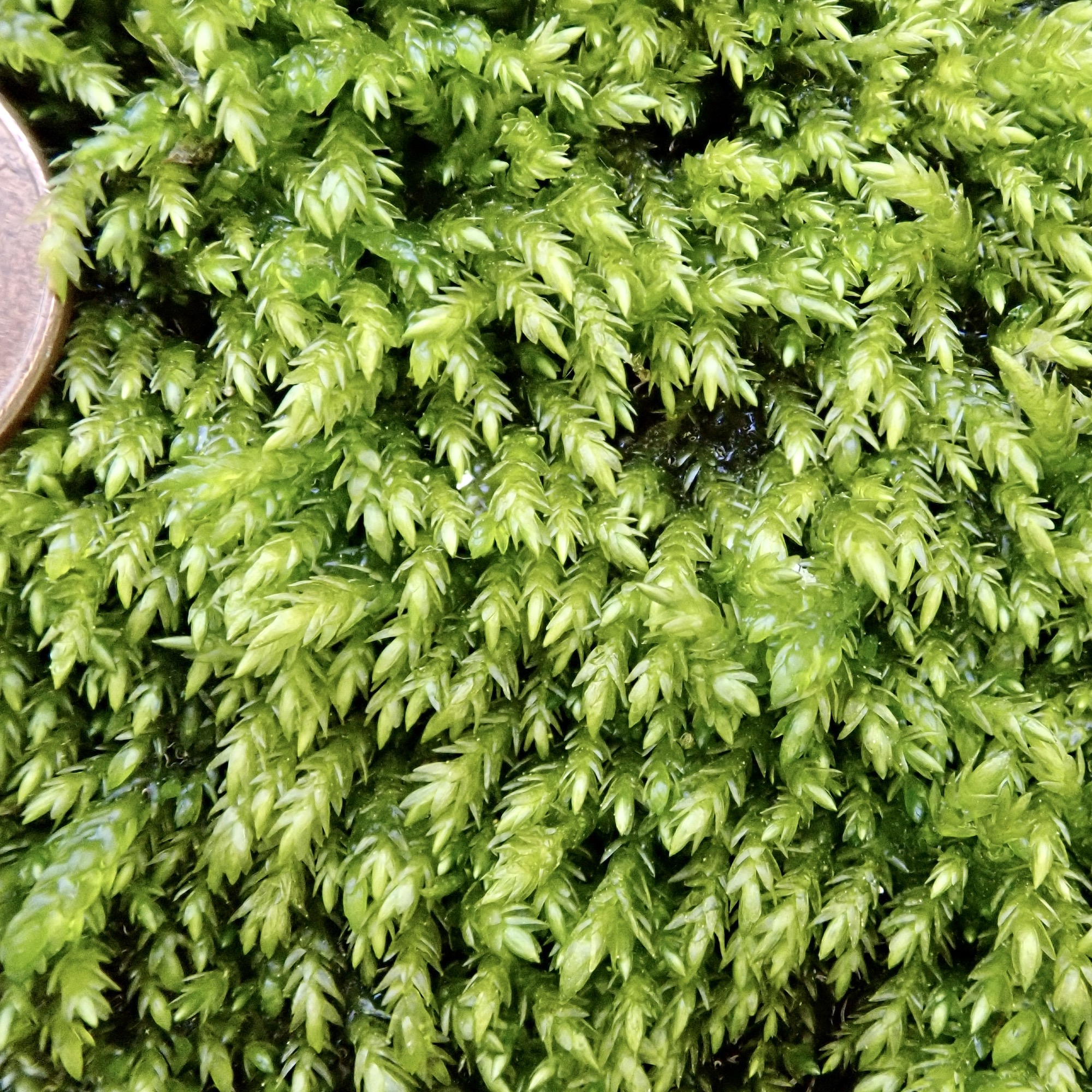
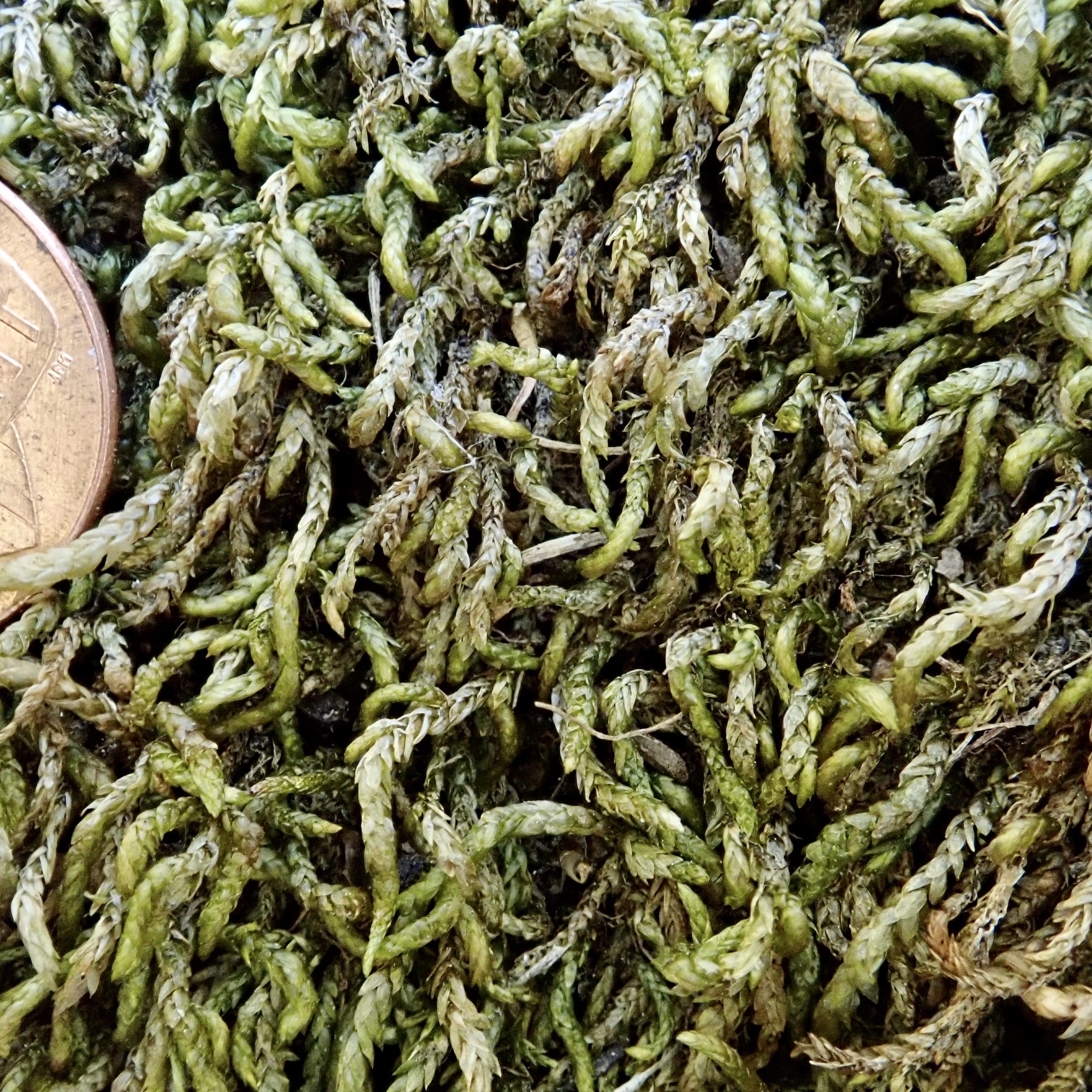
Plants: Scleropodium obtusifolium plants are medium-sized (3-5 cm in SB County, up to 10 cm), with many irregularly spaced branches which often arch upward, and do not taper significantly at the tips (not attenuate). The concave leaves are closely spaced on the stem, overlapping neatly when dry (julaceous), but not exceedingly tightly appressed to the stem, resulting in a poofy appearance (tumid).
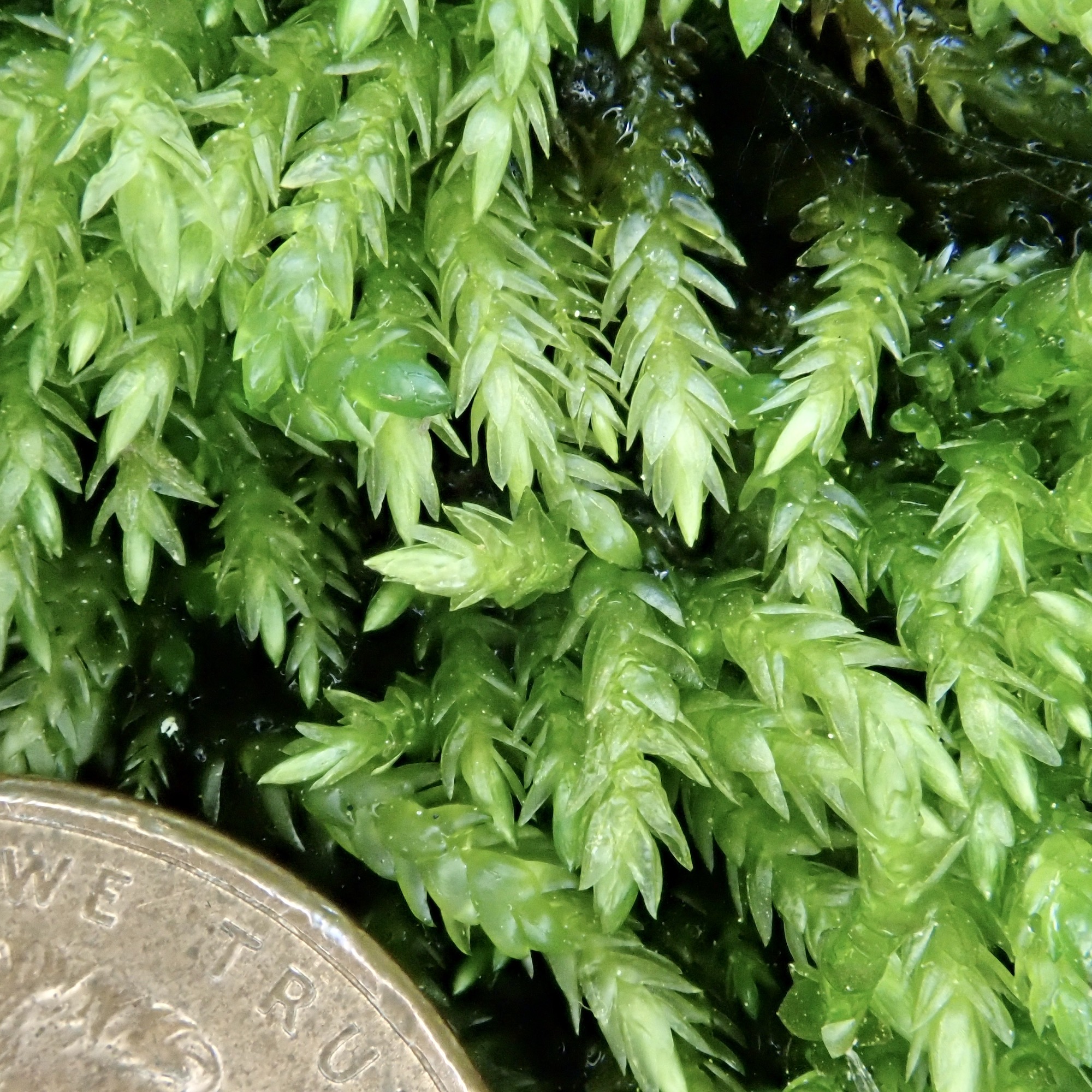
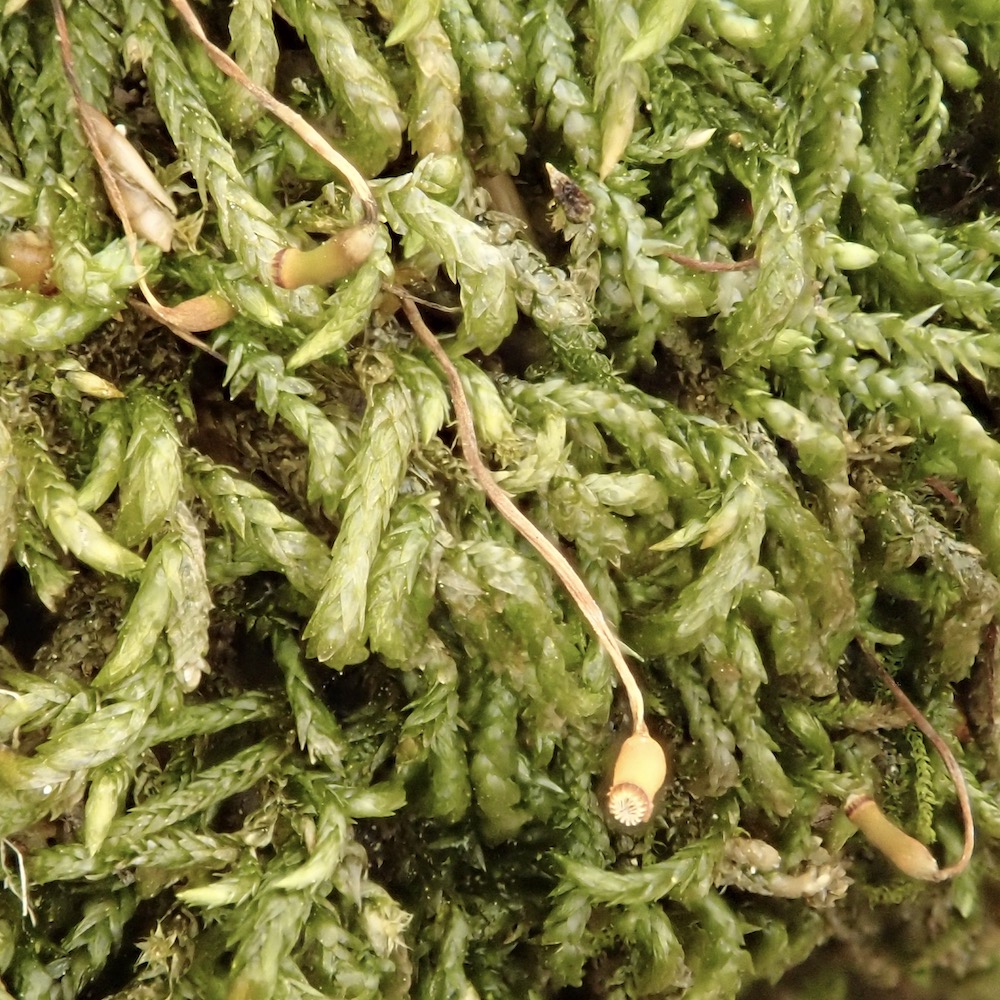
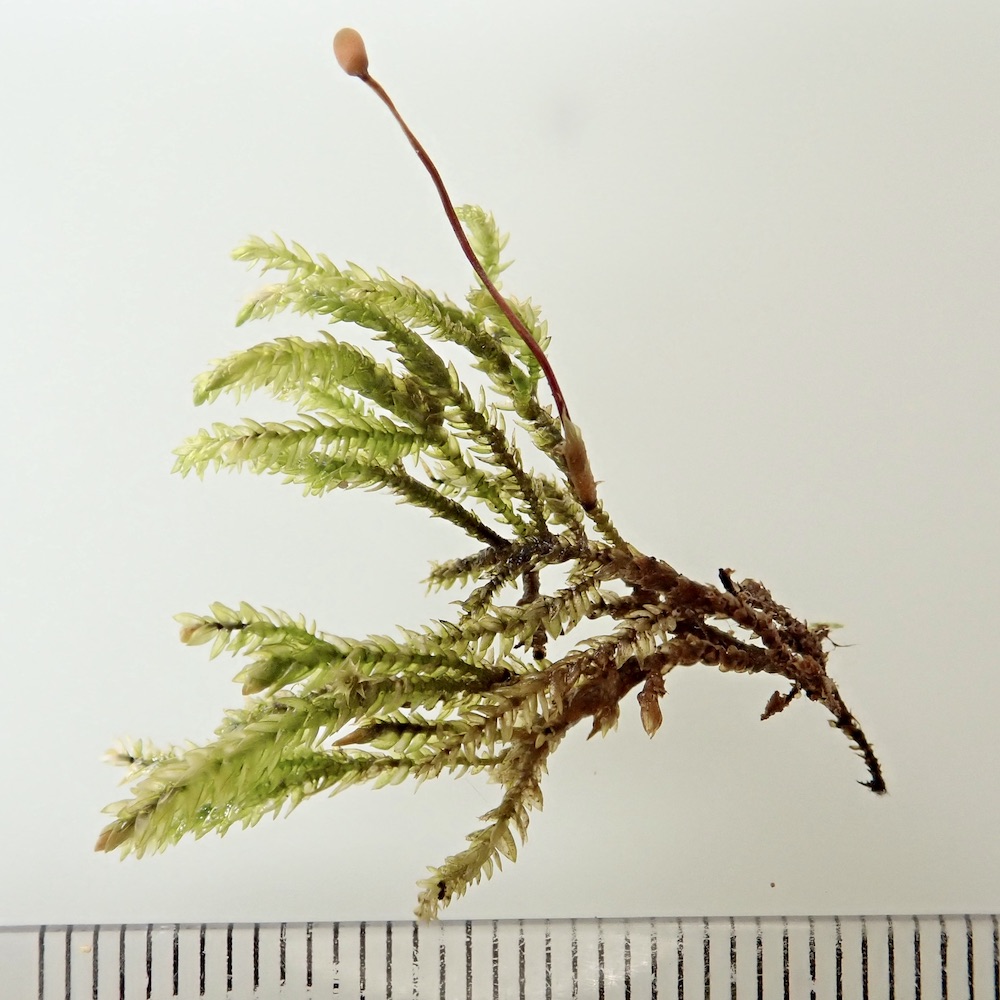
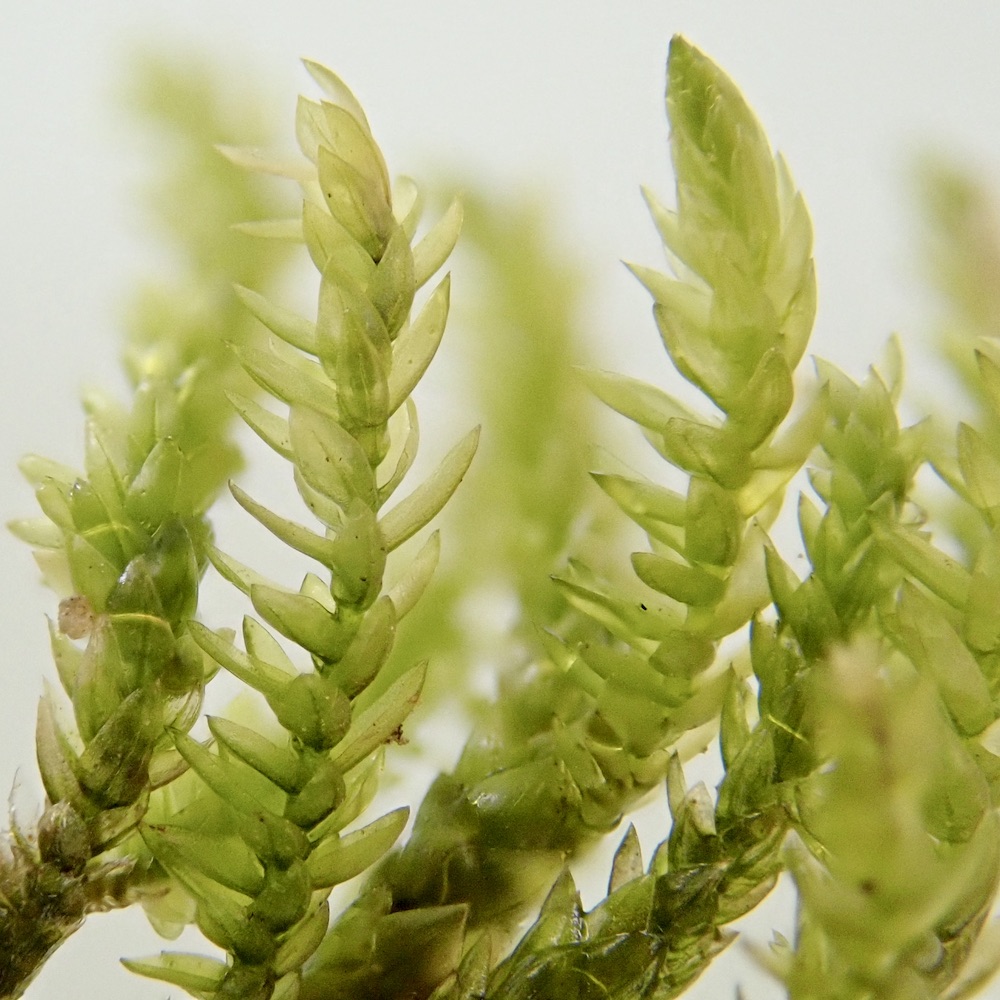
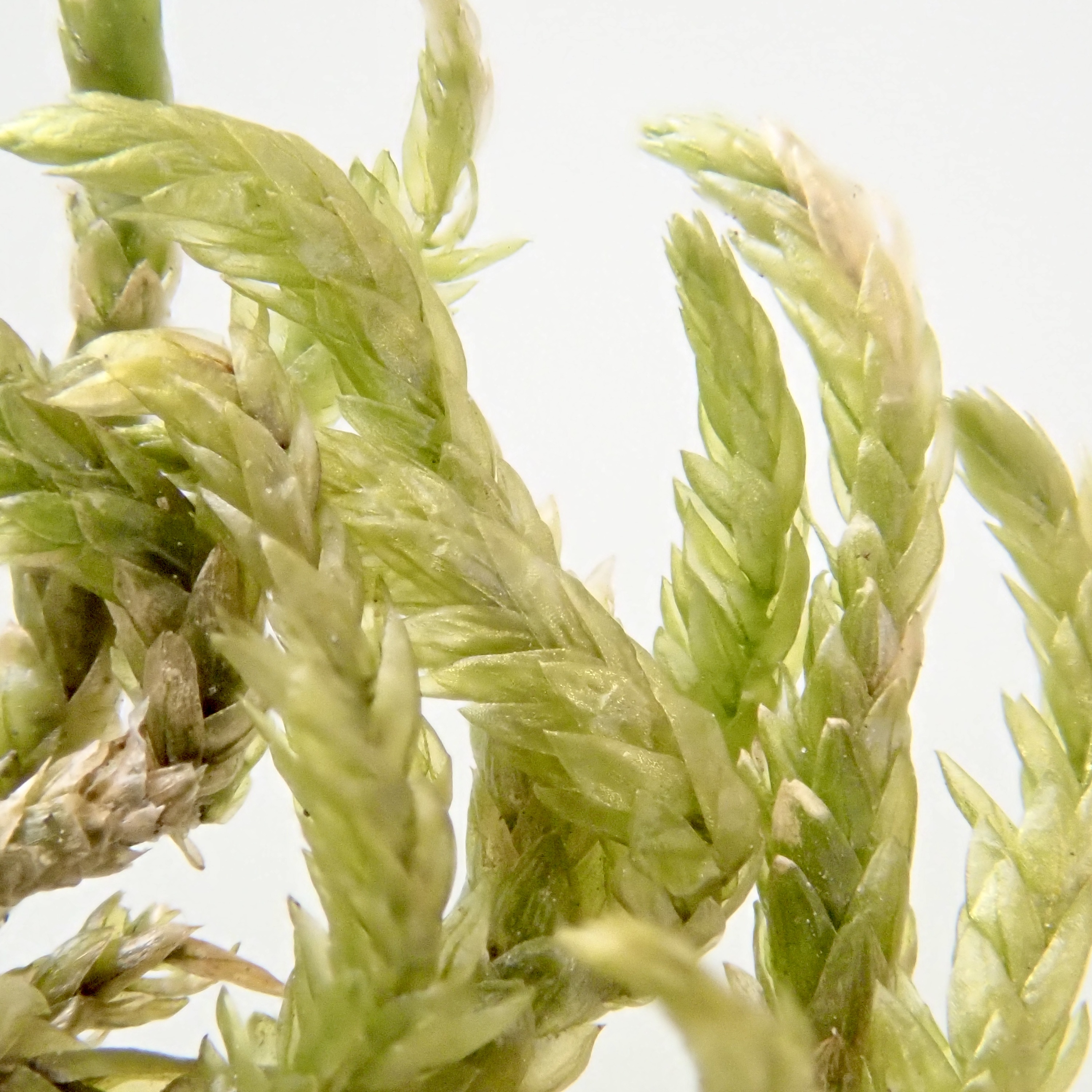
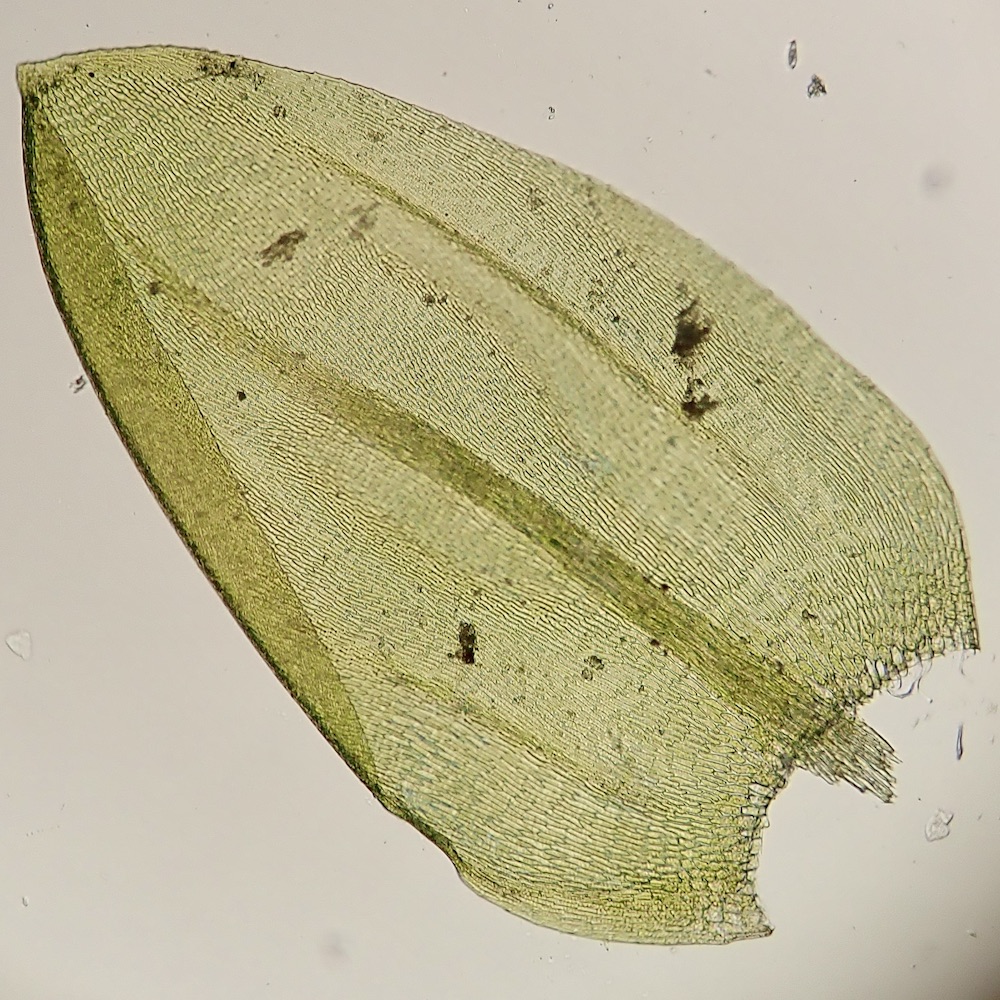
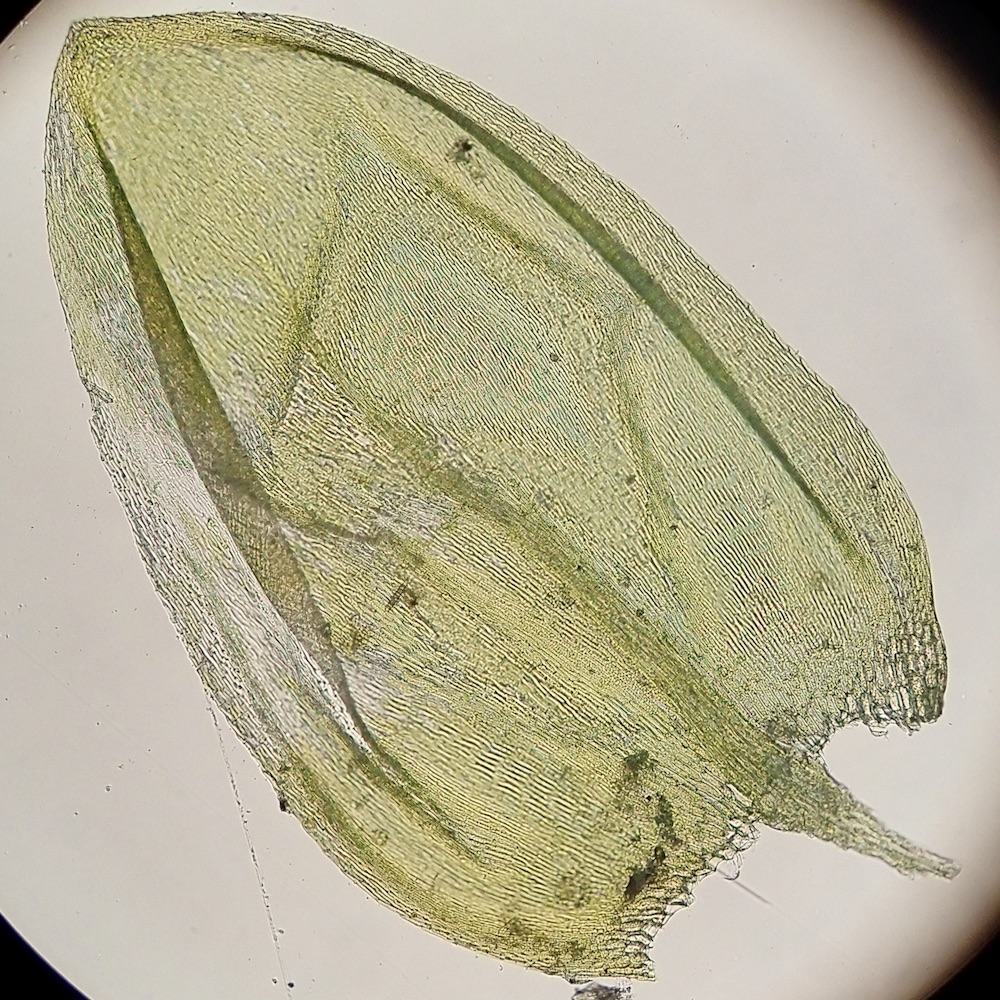
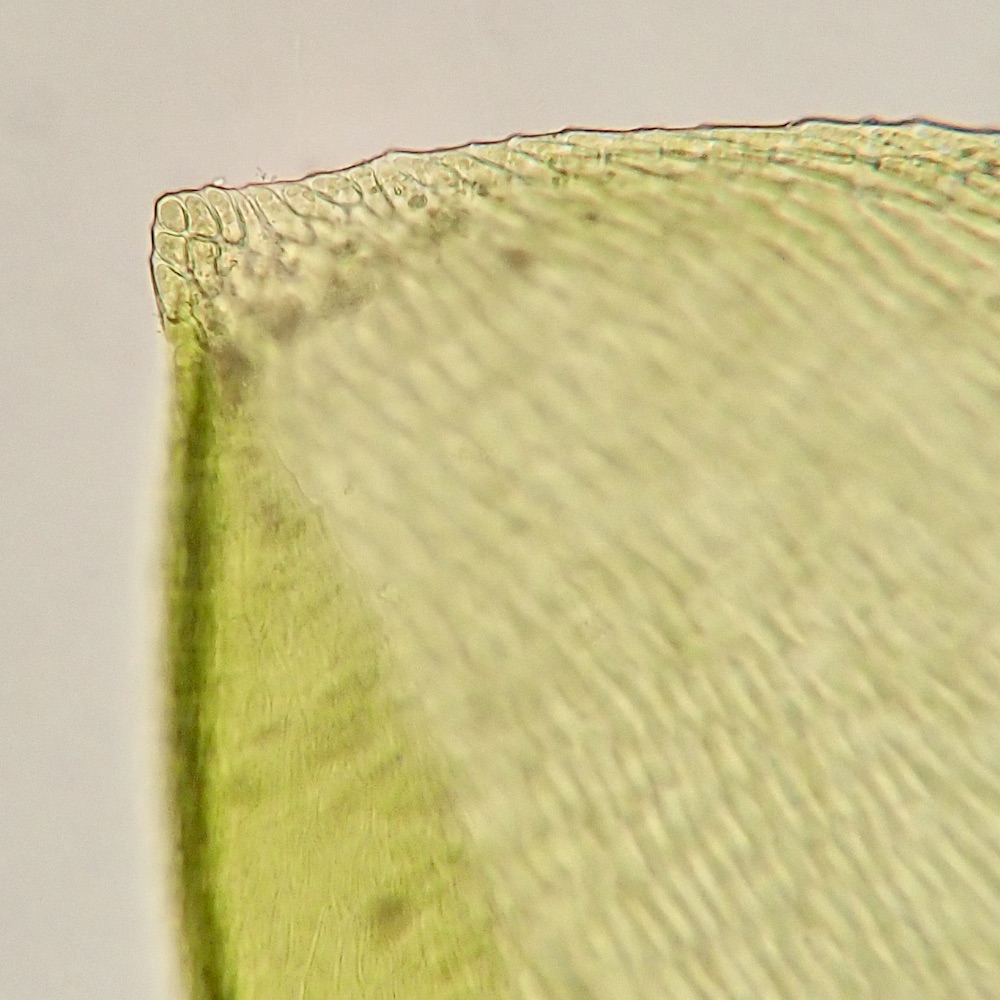
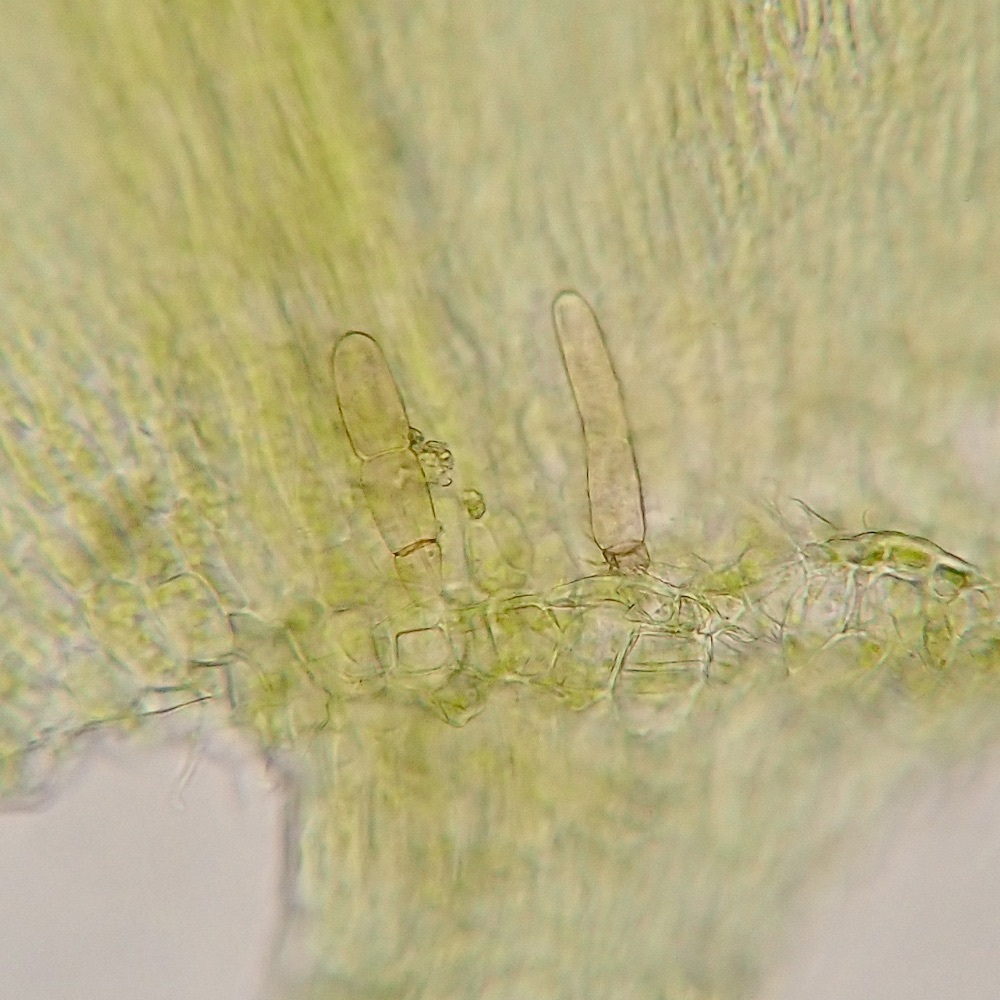
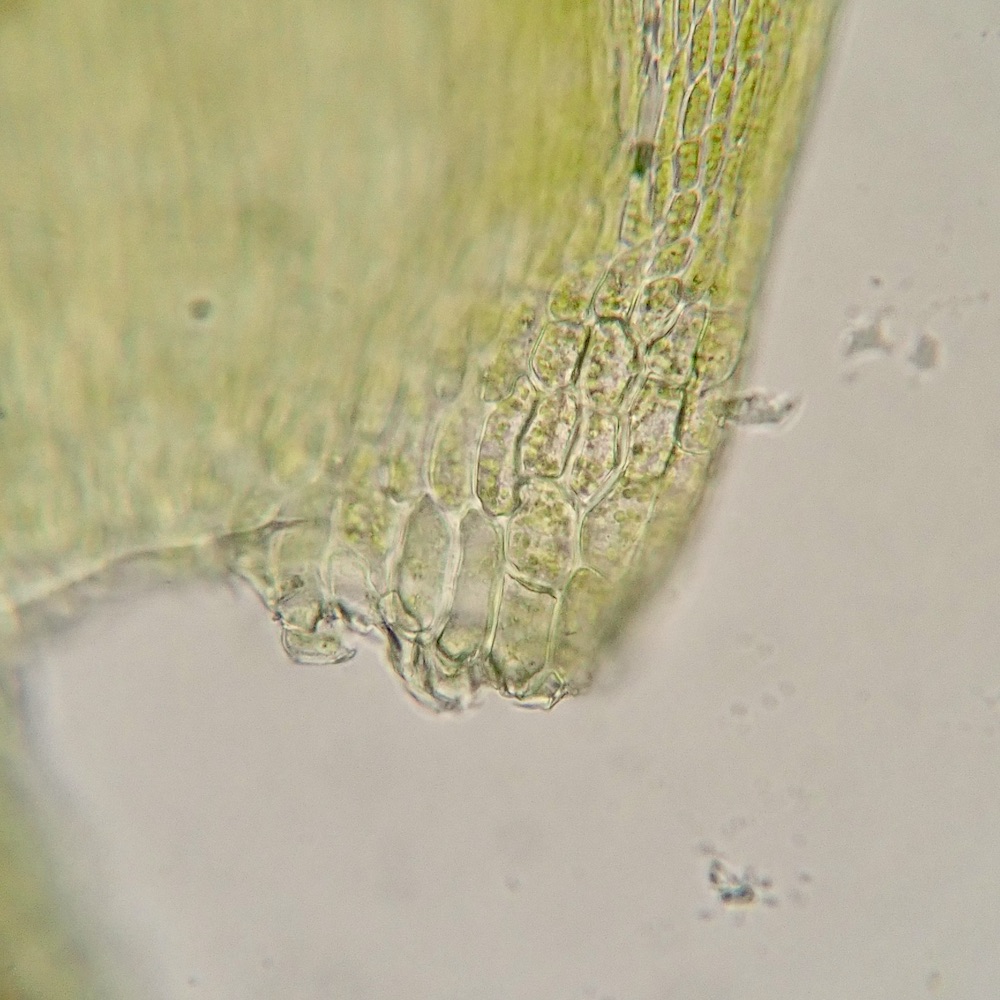
Leaves: Scleropodium obtusifolium leaves are deeply concave, typically ovate, with rounded or obtuse tips (sometimes more acute). The margins are mostly smooth but sometimes minutely toothed (serrulate) near the tips, and often inrolled. The midrib (costa) tapers gradually and generally peters out 70-85% of the way up the leaf. Unlike most Scleropodium species, the costa does not end in a spine, and this feature helps to distinguish it from the closely related Scleropodium occidentale.
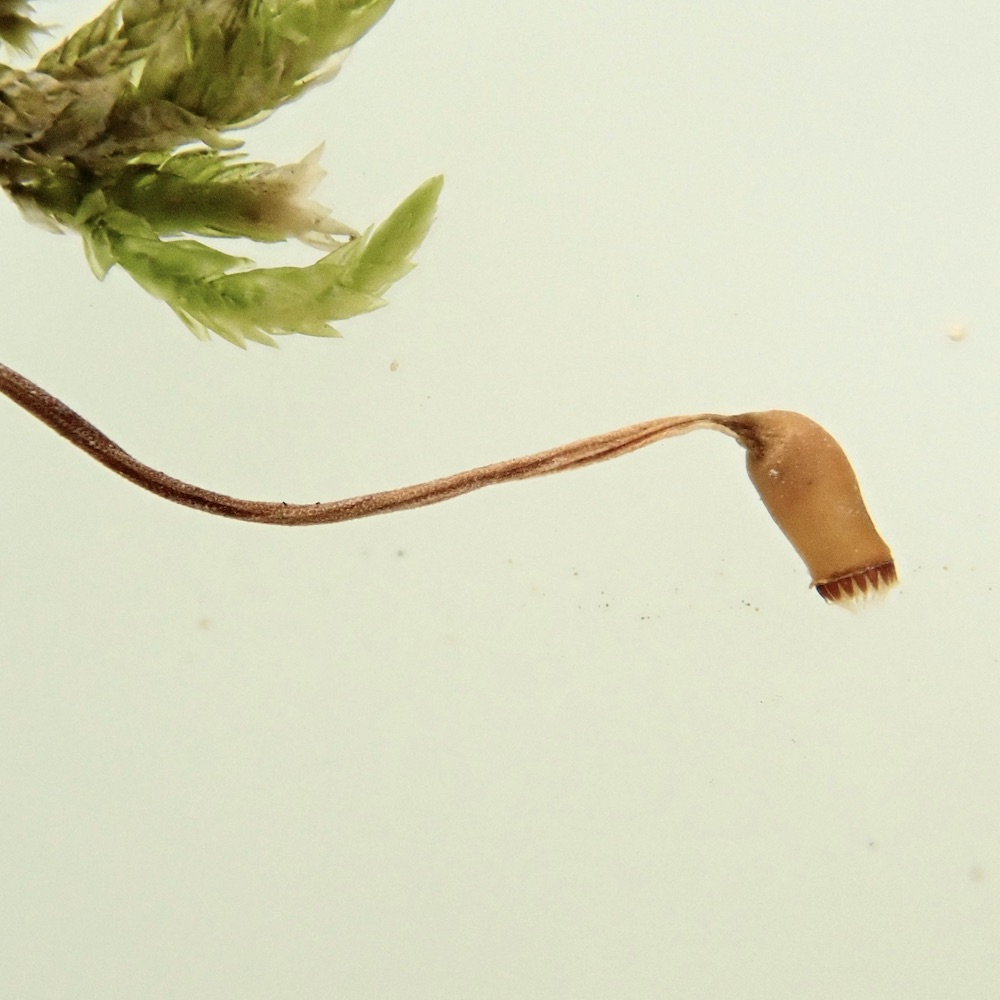
Sporophytes: Scleropodium obtusifolium sporophytes have capsules which are generally held at a horizontal angle or dangle downward, atop a roughened stalk (seta), 1-1.5 cm high.
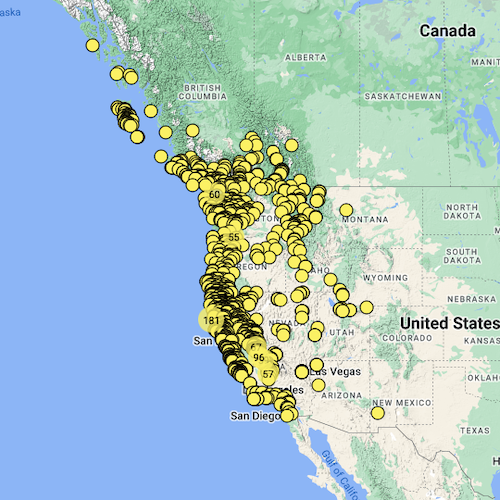
Distribution: Scleropodium obtusifolium can be found west of the Rocky Mountains in North America. It is fairly common in seasonal creeks and streams, particularly over 2,000 feet in Santa Barbara County.
 Bryophytes of Santa Barbara